
Closing the Gap Through Youth Empowerment: A Blueprint for Sponsors
Australia’s story is one of resilience, culture, and the extraordinary strength of the world’s oldest living peoples. Yet the reality remains that Aboriginal and Torres Strait Islander communities continue to face significant barriers created by generations of inequity. The national ambition to “Close the Gap” is not simply a policy goal, it is a call for fairness, opportunity, and meaningful change.
While government frameworks play their role, real transformation often grows from community-led, culturally grounded, strengths-based action, especially when it comes to empowering young people. Empowered Indigenous youth become strong leaders, confident learners, workplace-ready adults, and anchors of their communities. They carry forward culture, identity, and hope.
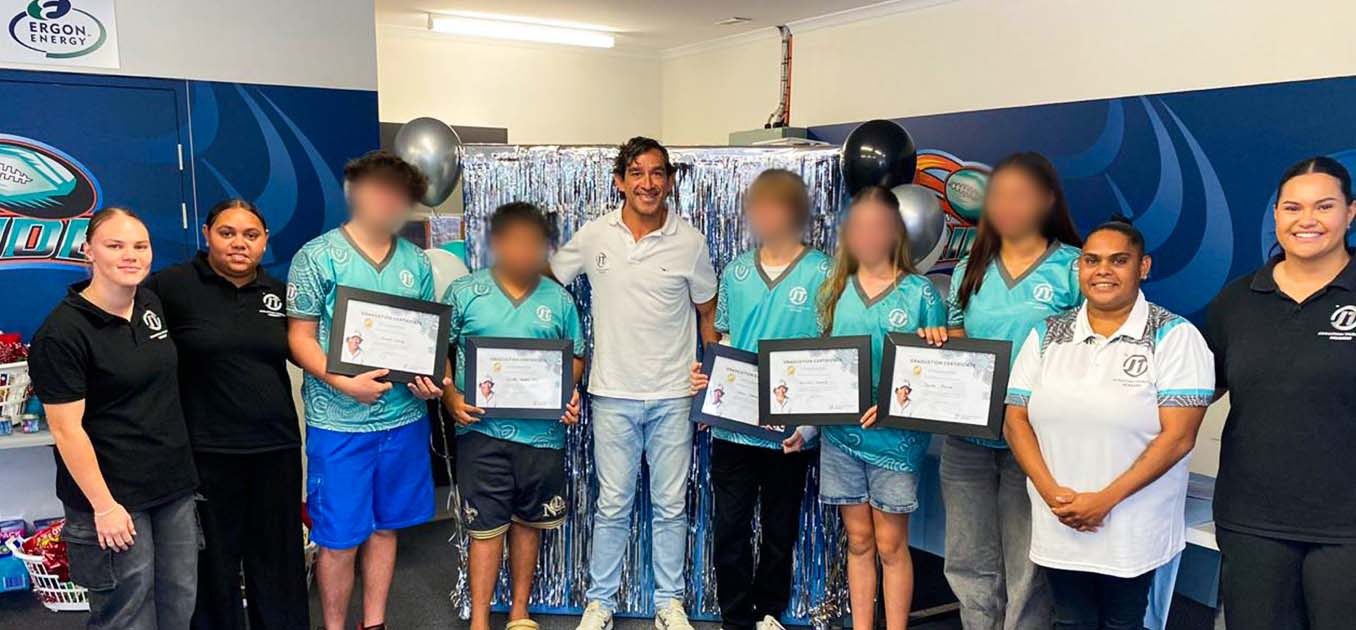
But empowerment does not happen by accident. It requires long-term commitment, culturally safe support, and the belief that young people deserve every opportunity to build the future they envision. This is where the Johnathan Thurston Academy (JTA) plays a vital role. Through programs like JTBelieve, JTYouGotThis, JTLeadLikeAGirl and JTSucceed, JTA works with communities to strengthen self-belief, confidence, courage, cultural identity, and future pathways for Indigenous youth across Australia.
And it is also where corporate sponsors have the power to make an extraordinary impact. Closing the Gap through youth empowerment requires partnership, collaboration between communities, organisations, sponsors, schools, and families who all share a commitment to a fairer, more inclusive future.
This article presents a blueprint for sponsors who want to create meaningful, long-term change by empowering Indigenous young people. The blueprint is not theoretical, it is grounded in what JTA sees work every day across regional towns, remote communities, and urban schools.
1. Why Youth Empowerment Is Central to Closing the Gap
The concept of Closing the Gap often focuses on outcomes schooling, health, employment, safety, and wellbeing. But these outcomes are shaped by something deeper: empowerment.
When young people believe in themselves, feel proud of their culture, and develop leadership and life skills, the trajectory of their lives changes. They begin to:
- stay engaged in school
- build stronger relationships
- make positive decisions
- cope with challenges more confidently
- pursue employment pathways
- contribute to community leadership
Empowerment creates a foundation for every other life outcome.
1.1 Empowerment Builds Confidence
Self-belief is one of the strongest predictors of success. Young people who trust their own abilities can step into new roles, take healthy risks, try new things, and persevere through setbacks.
1.2 Empowerment Strengthens Cultural Pride
For Indigenous youth, cultural identity is not an “addition”, it is central to wellbeing. Empowered young people:
- feel connected to community and Country
- embrace their cultural stories and responsibilities
- walk confidently in cultural and Western spaces
- become role models for younger siblings and peers
1.3 Empowerment Improves Education and Employment Pathways
Empowered youth see more possibilities in their future. They remain engaged in school, explore leadership roles, and build the sense of purpose needed to pursue employment.
1.4 Empowerment Reduces Risk
Young people who feel valued and supported are less likely to disengage, withdraw, or make unsafe decisions.
Empowerment is the thread that ties together every Closing the Gap priority and it begins long before adulthood.
2. The Role of Early Intervention in Closing the Gap
The earlier a young person receives culturally safe guidance, the more positive their future becomes.
Early intervention means stepping in before disengagement becomes deep, before confidence fades, before opportunities are missed. JTA programs such as JTBelieve and JTYouGotThis focus heavily on this stage because early empowerment has lifelong impact.
2.1 Early Intervention Builds Strength, Not Dependence
Effective early intervention programs:
- nurture strengths
- develop leadership
- encourage decision-making
- strengthen identity
- build confidence
- empower personal responsibility
2.2 Early Intervention Supports Families
Families often want the best for their children but may lack the resources or culturally safe support to help navigate school, wellbeing, or future planning. Early intervention lifts families alongside young people.
2.3 Early Intervention Improves School Engagement
Schools with early intervention programs see improved:
- attendance
- behaviour
- participation
- confidence
- connection
2.4 Early Intervention Reduces Long-Term Barriers
By strengthening resilience early, young people are better prepared for future challenges.
Empowerment early in life becomes empowerment in adulthood.
3. What Indigenous Youth Need to Thrive, Insights from JTA Communities
JTA works across diverse communities, each with unique challenges and cultural strengths. Across all locations, young people consistently express similar needs.
3.1 They Need Someone to Believe in Them
Many Indigenous young people have heard more about what they “can’t do” than what they can. Positive role models who genuinely believe in their strengths can transform their confidence.
3.2 They Need Safe, Culturally Grounded Spaces
Young people thrive in environments that honour:
- storytelling
- cultural identity
- kinship connections
- language
- community knowledge
Culturally safe programs improve engagement dramatically.
3.3 They Need Support That Builds Confidence, Not Shame
Empowerment requires encouragement, patience, and strengths-based guidance. Shame-based approaches don’t work.
3.4 They Need Opportunities to Practise Leadership
Leadership grows through experience. Young people need chances to:
- lead teams
- speak in groups
- solve problems
- plan projects
- take responsibility
3.5 They Need Future Pathways They Can See
Employment, training, and further education feel achievable only when young people can see a clear pathway.
These needs form the base of JTA’s youth empowerment framework and are central to any Closing the Gap blueprint.
4. The JTA Blueprint, Youth Empowerment That Works
JTA’s approach has proven highly effective in building the confidence, cultural pride, and leadership skills of Indigenous youth.
4.1 Step 1: Build Self-Belief
Young people hear consistently:
“You matter. You have strengths. You can do this.”
This message is woven into every activity, story, and workshop.
4.2 Step 2: Build Confidence and Courage
Through team challenges, communication tasks, leadership roles, and real-world problem-solving activities, young people practise confidence in action.
4.3 Step 3: Build Cultural Identity and Pride
Programs collaborate with Elders, community leaders, and cultural mentors to ensure identity is a source of empowerment.
4.4 Step 4: Build Skills for Learning and Life
Youth develop capabilities such as:
- communication
- emotional regulation
- teamwork
- decision-making
- goal-setting
4.5 Step 5: Build Pathways for the Future
JTSucceed helps young people bridge into employment through:
- workplace readiness
- soft skills
- confidence building
- real employer connections
- supportive onboarding
Closing the Gap requires exactly these elements: confidence, skills, culture, and opportunity.
5. Why Corporate Sponsors Play an Essential Role
Closing the Gap is not possible without the partnership of corporate Australia. Organisations have resources, networks, and influence that can help programs reach more young people.
5.1 Sponsors Create Sustainability
Long-term funding ensures:
- consistent community presence
- stable program delivery
- long-term relationships with families
- reliable support for youth
- ability to plan future expansion
Closing the Gap requires exactly these elements: confidence, skills, culture, and opportunity.
5.2 Sponsors Help Expand Programs into More Communities
Many communities ask for JTA programs, but resources can limit reach. Sponsorship bridges that gap.
5.3 Sponsors Influence Industry Standards
Businesses that invest in youth empowerment:
- set an example
- encourage other organisations
- strengthen industry-level cultural capability
5.4 Sponsors Support the Future Workforce
Young people empowered today become the confident, skilled employees of tomorrow.
5.5 Sponsors Build Authentic Community Partnerships
Investing in youth empowerment demonstrates genuine commitment to reconciliation and community wellbeing.
5.6 Sponsors Uplift Girls and Young Women
Programs like JTLeadLikeAGirl rely heavily on sponsorship to expand across Australia.
Corporate investment is one of the strongest tools for Closing the Gap.
6. A Blueprint for Sponsors, How to Support Youth Empowerment in 2025
Sponsors often want to help but may not know where to start. This blueprint outlines practical, high-impact steps.
Step 1: Invest in Long-Term Program Delivery
Multi-year sponsorships ensure stability. They allow JTA to:
- retain skilled facilitators
- maintain continuity in communities
- deliver programs that build trust
- measure long-term outcomes
Step 2: Fund Early Intervention Programs
Supporting JTBelieve and JTYouGotThis allows young people to receive the right support at the right time.
Early intervention:
- prevents disengagement
- reduces long-term challenges
- builds resilience early
- strengthens family connections
Step 3: Support Leadership and Girls’ Empowerment Programs
Girls need safe, culturally respectful spaces to build leadership. Sponsorship strengthens:
- girls’ self-belief
- cultural identity
- communication skills
- confidence
- career aspirations
JTLeadLikeAGirl is one of the most impactful programs for future female leaders.
Step 4: Build Employment Pathways Through JTSucceed
Sponsors can:
- host workplace tours
- offer mentoring sessions
- provide traineeships
- support job-readiness resources
- assist with employer pathways
- create culturally safe workplaces
This connects empowerment to real opportunity.
Step 5: Invest in Cultural Capability for Your Organisation
Culturally capable workplaces:
- attract Indigenous talent
- retain Indigenous employees
- build better community relationships
- model inclusive behaviour
Sponsors who embrace cultural capability amplify the impact of youth empowerment.
Step 6: Become Public Advocates for Indigenous Empowerment
Sponsors can:
- share stories of impact
- inspire other organisations
- influence industry standards
- raise awareness
- strengthen national commitment
Advocacy multiplies outcomes.
Step 7: Support Community-Led Initiatives
Sponsors should always back programs that:
- respect cultural protocols
- listen to Elders
- follow community guidance
- prioritise lived experience
- empower local voices
Community-led is community-strong.
7. The Ripple Effect, How Youth Empowerment Closes the Gap
Empowerment creates ripple effects across generations.
7.1 Stronger Engagement in Education
Empowered youth attend school more consistently and engage more deeply.
7.2 Improved Wellbeing
Confidence and cultural identity protect mental and emotional wellbeing.
7.3 Stronger Families
Families feel supported, connected, and hopeful.
7.4 Resilient Communities
Young leaders contribute to community vision and inspiration.
7.5 Reduced Disengagement and Risk
Empowered youth make more positive choices.
7.6 Workforce Strengthening
Confident young adults enter employment with pride, capacity, and courage.
Closing the Gap becomes possible when youth are given the tools to lead.
Closing the Gap Requires Empowerment And Empowerment Requires Partnership
Australia cannot close the gap without empowering Indigenous young people.
Empowerment builds:
- self-belief
- cultural pride
- leadership capability
- educational engagement
- employment readiness
- community connection
- emotional wellbeing
- resilience
- opportunity
JTA’s work across Australia shows that empowerment changes lives but it cannot happen without long-term, meaningful sponsorship.
Sponsors who invest in youth empowerment are not simply supporting programs. They are supporting:
- families
- communities
- cultural strength
- national reconciliation
- future leaders
- future employees
- the next generation
Closing the Gap is a shared journey.
Youth empowerment is the pathway.
Sponsors are the partners who make it possible.
Together, we can create a future where every Indigenous young person is able to walk forward with pride, confidence, and opportunity, a future where culture thrives, leadership grows, and the gap finally closes.