
Workforce Development for Indigenous Communities: How Sponsors Can Lead the Way
Workforce development is one of the most powerful tools for strengthening Indigenous communities across Australia. Employment is not just about income, it is about dignity, identity, stability, opportunity, cultural pride and long-term community wellbeing. For Aboriginal and Torres Strait Islander peoples, meaningful employment can be a pathway to economic independence, leadership, and generational uplift.
Yet despite immense potential, Indigenous communities continue to face barriers that limit access to employment opportunities. These barriers are not the result of a lack of ability or motivation. They are structural, historical and environmental, shaped by reduced access to training, limited workplace exposure, cultural misunderstandings, systemic inequalities, and a lack of culturally safe workplaces.
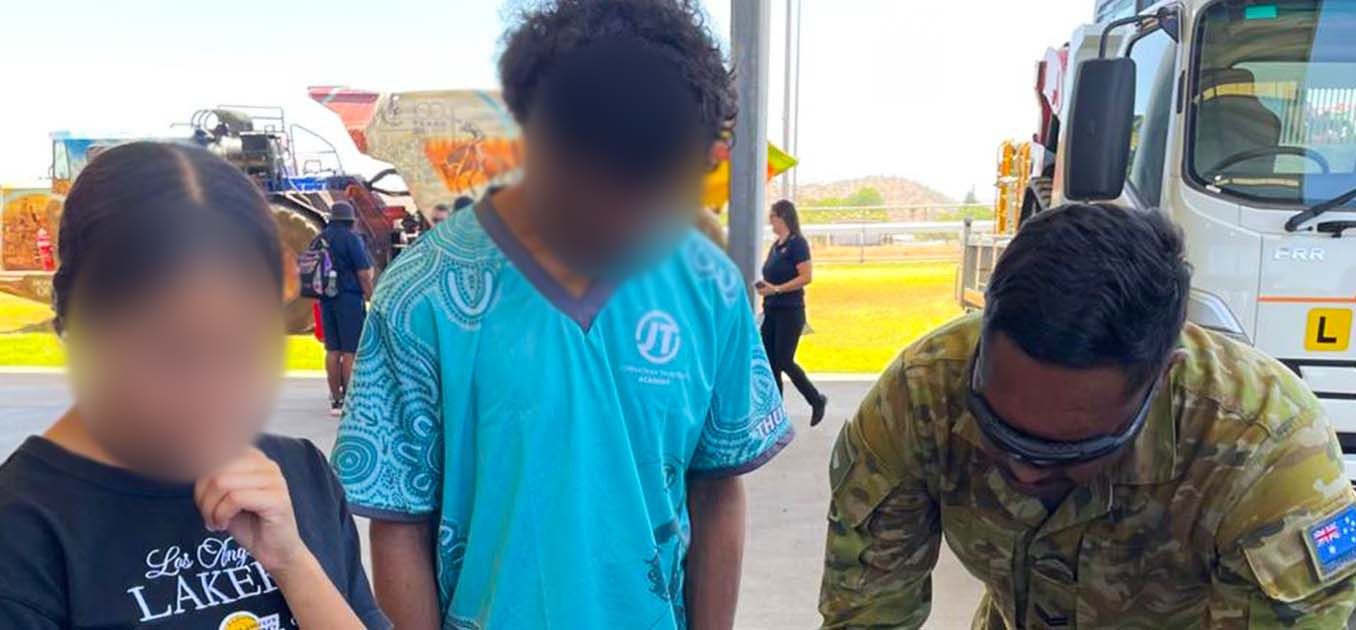
The Johnathan Thurston Academy (JTA) has witnessed firsthand how workforce development programs can transform lives. Through initiatives like JTSucceed, JTBelieve, JTYouGotThis and JTLeadLikeAGirl, JTA prepares Indigenous young people for employment by building confidence, cultural pride, soft skills and workplace readiness. But to create long-term change, partnerships with sponsors are essential.
This article explores the importance of workforce development in Indigenous communities and presents a clear roadmap for how sponsors can take the lead in creating opportunities, strengthening cultural capability and empowering the next generation of Indigenous talent.
1. Why Workforce Development Matters for Indigenous Communities
Employment is more than a job. For Indigenous communities, it is a pathway to empowerment.
1.1 Employment Strengthens Identity and Confidence
Work gives young people:
- purpose
- direction
- a sense of achievement
- belief in their abilities
- pride in contributing to community
Employment builds confidence in a way few other experiences can.
1.2 Employment Creates Economic Independence
A steady job helps:
- reduce financial stress
- strengthen family stability
- create long-term opportunities
- support community goals
- break cycles affected by economic disadvantage
Young people who are employed contribute not only to their households but to the community’s economic resilience.
1.3 Employment Supports Community Leadership
When young Indigenous people feel empowered, they often take on leadership roles. Many become:
- mentors
- coaches
- cultural leaders
- advocates
- community organisers
Work contributes to leadership development and responsibility.
1.4 Employment Reduces Risk
Young people engaged in stable employment are less likely to face:
- disengagement
- social isolation
- risk-taking behaviour
- long-term unemployment
Employment provides structure and a sense of belonging.
1.5 Employment Strengthens Cultural Pride
Culturally safe workplaces allow young people to bring their full identity their stories, their culture, their history, into their careers without fear or shame.
2. Barriers Indigenous Communities Face in Workforce Development
Many Indigenous young people face obstacles that are often misunderstood by employers unfamiliar with cultural or regional realities.
2.1 Limited Access to Local Job Opportunities
Regional and remote communities have fewer industries, meaning fewer entry-level roles and limited career diversity.
2.2 Transport Barriers
Long distances, limited public transport and irregular schedules make attending training or work difficult.
2.3 Limited Exposure to Workplaces
Young people may not have visited a workplace beyond their local area, creating uncertainty and fear of unfamiliar environments.
2.4 Digital Access Challenges
Job applications, training modules and workplace communication increasingly require reliable internet access, something not always available in remote areas.
2.5 Lack of Culturally Safe Workplaces
- misunderstand cultural obligations
- misinterpret communication styles
- fail to provide safe support
- alienate Indigenous employees
- contribute to workplace stress
2.6 Intergenerational Trauma and Systemic Barriers
Historical policies and systemic inequalities continue to affect access to training, education and employment.
2.7 Family and Cultural Responsibilities
Young people often balance:
- family roles
- cultural commitments
- community obligations
These responsibilities must be understood and respected by employers.
Workforce development must address all these barriers with cultural intelligence and respectful collaboration.
3. What Effective Workforce Development Looks Like, The JTA Model
JTA’s approach to workforce development is grounded in empowerment, cultural safety and strengths-based support.
3.1 Step 1: Build Self-Belief
Confidence and belief in personal ability are the foundation of workforce readiness. JTA focuses heavily on:
- identifying strengths
- encouraging leadership
- building resilience
- developing a growth mindset
- fostering cultural pride
When young people believe in themselves, they step into opportunities confidently.
3.2 Step 2: Develop Soft Skills
Soft skills are the most important part of job readiness. JTA helps young people develop:
- communication
- teamwork
- problem-solving
- positive attitude
- decision-making
- emotional regulation
- reliability and punctuality
These skills are essential across all industries.
3.3 Step 3: Provide Real-World Workplace Exposure
Exposure reduces fear and builds clarity. JTA connects youth with:
- employer Q&A sessions
- industry workshops
- workplace tours
- mock interviews
- job preparation sessions
These experiences help young people understand what to expect.
3.4 Step 4: Strengthen Cultural Identity and Safety
JTA incorporates cultural elements into workforce programs by:
- engaging Elders
- using storytelling
- creating culturally safe learning environments
- addressing cultural responsibilities openly
- building pride in identity
Cultural identity is a workforce strength, not a barrier.
3.5 Step 5: Create Pathways Through JTSucceed
JTSucceed supports:
- job applications
- resume and interview preparation
- employment coaching
- workplace transition support
- soft skills development
It is one of the most comprehensive workforce readiness programs for Indigenous youth.
4. The Role of Sponsors, Why Corporate Australia Is Essential
Sponsors are critical to scaling workforce development programs. Their contribution allows JTA to reach more communities, deliver more resources and provide more opportunities.
4.1 Sponsors Bring Stability
- retain skilled facilitators
- support communities consistently
- create ongoing pathways
- plan long-term expansion
- track measurable outcomes
Stability builds trust and trust builds outcomes.
4.2 Sponsors Create Real Job Pathways
- traineeships
- apprenticeships
- internships
- entry-level roles
- workplace tours
- mentoring opportunities
These pathways convert readiness into real employment.
4.3 Sponsors Strengthen Cultural Capability
By engaging in cultural capability training, sponsors demonstrate respect and create workplaces where Indigenous young people feel safe and valued.
4.4 Sponsors Support Community Voice
Sponsors who partner with JTA learn from communities directly, ensuring programs remain authentic and community-led.
4.5 Sponsors Enable Digital Inclusion
Funding can support:
- laptops
- internet access
- digital literacy training
Digital access is essential for employment in 2025 and beyond.
4.6 Sponsors Strengthen Reconciliation Efforts
Supporting Indigenous employment pathways is one of the most direct contributions to reconciliation.
5. A Sponsor’s Roadmap for Workforce Development in 2025
Corporate partners often want to help but need guidance on where to begin. This roadmap outlines the most effective steps.
Step 1: Fund Workforce Readiness Programs
Sponsorship supports program delivery in:
- regional schools
- remote communities
- training centres
- youth hubs
- cultural centres
Funding ensures more young people have access to vital workforce preparation.
Step 2: Offer Workplace Exposure Opportunities
- group visits
- shadowing
- hands-on demonstrations
- industry presentations
- open days
Exposure reduces fear and broadens career vision.
Step 3: Provide Entry-Level Roles and Traineeships
- traineeships
- structured internships
- supported entry-level roles
- employment trials
These roles help young people gain real experience.
Step 4: Invest in Cultural Capability Training for Staff
- safer workplaces
- stronger communication
- better staff retention
- greater cultural respect
- more inclusive leadership
A culturally competent workplace is essential for Indigenous employment success.
Step 5: Support Family and Community Engagement
- community information sessions
- family workshops
- Elders’ involvement
- celebrations of achievement
Workforce development is strongest when families are included.
Step 6: Advocate for Indigenous Workforce Development
- success stories
- partnership achievements
- youth leadership
- community impact
Advocacy encourages other partners to get involved.
6. The Ripple Effect, How Workforce Development Changes Communities
Effective workforce development affects more than the individual, it affects entire communities.
6.1 Stronger Families
- stability
- pride
- financial security
- positive role modelling
- strengthened relationships
6.2 Stronger Young People
- confidence
- independence
- resilience
- cultural pride
- purpose
6.3 Stronger Employers
- motivated young employees
- diverse talent
- culturally intelligent teams
- improved workplace culture
6.4 Stronger Communities
- reduced disengagement
- safer environments
- community leadership
- long-term empowerment
6.5 Stronger Futures
Workforce development sets the foundation for generational change.
Workforce Development Is Community Development And Sponsors Hold the Key
Workforce development is not just about preparing individuals for jobs. It is about strengthening families, uplifting communities, building cultural pride, and empowering Indigenous youth to step into opportunities with confidence and courage.
The Johnathan Thurston Academy sees every day how young people transform when they gain self-belief, soft skills and cultural support. They become leaders, role models, contributors and proud ambassadors of their communities.
Sponsors are essential partners in this transformation. Their investment expands access, strengthens cultural safety, creates opportunities and helps build an Australia where Indigenous talent is recognised, valued and celebrated.
When sponsors lead the way, young people follow and entire communities rise.
Workforce development grows futures.
Futures grow communities.
And communities grow a stronger Australia, one filled with pride, opportunity and culturally confident young leaders.